Immune Checkpoint Inhibitors & Immune-Related Adverse Events
Overview of ICIs and their associated adverse effects in cancer treatment.
What are immune checkpoint inhibitors?
- Immune checkpoint inhibitors (ICI) are revolutionizing the management of several potentially devastating malignancies (including melanoma, lung cancer, renal cell carcinoma, sarcoma and others). The reported clinical outcomes with the use of immune check-point inhibitors (ICIs) are very impressive and include complete remission and sustained clinical response in certain types of cancer. The indications for their use continue to expand.
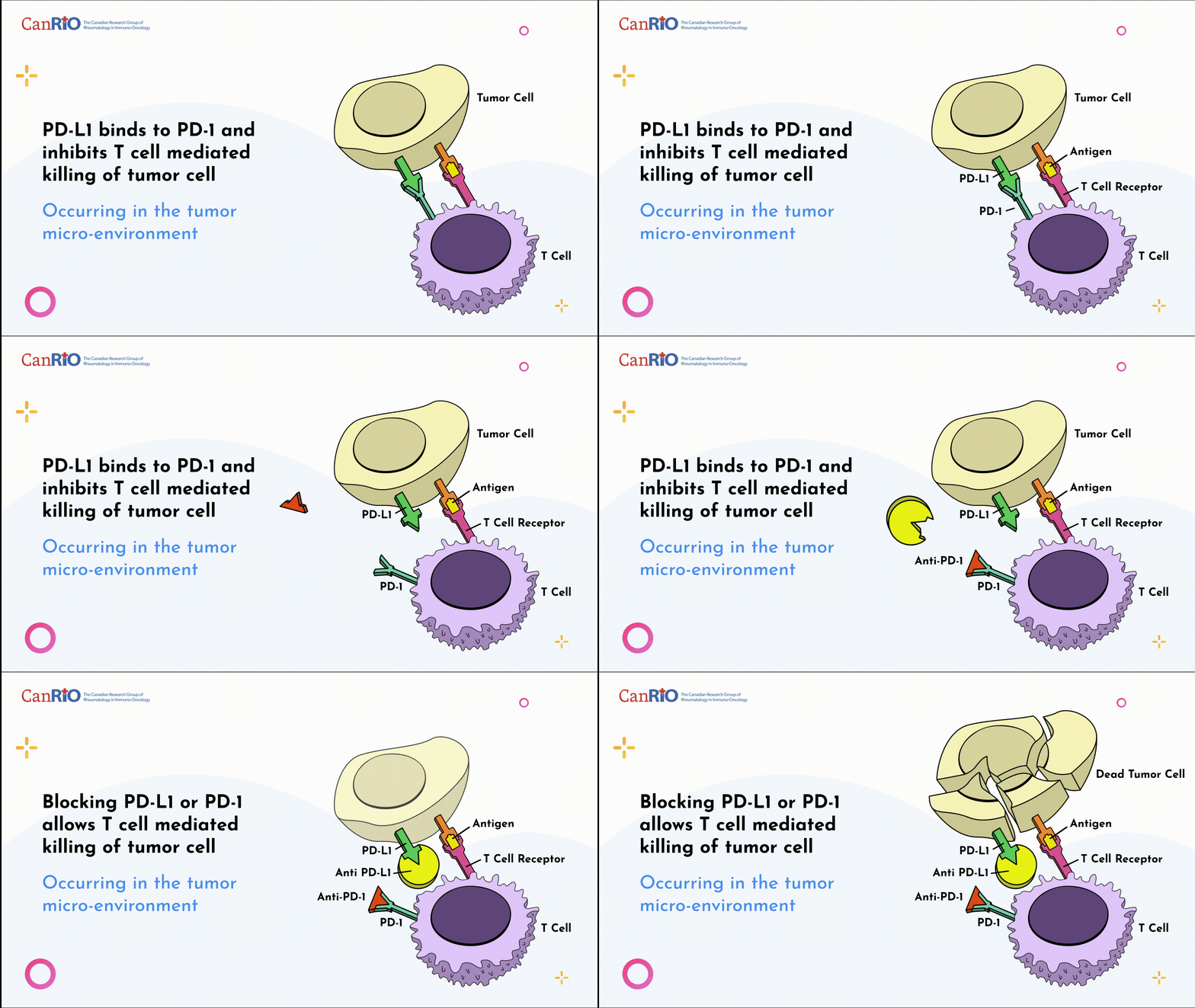
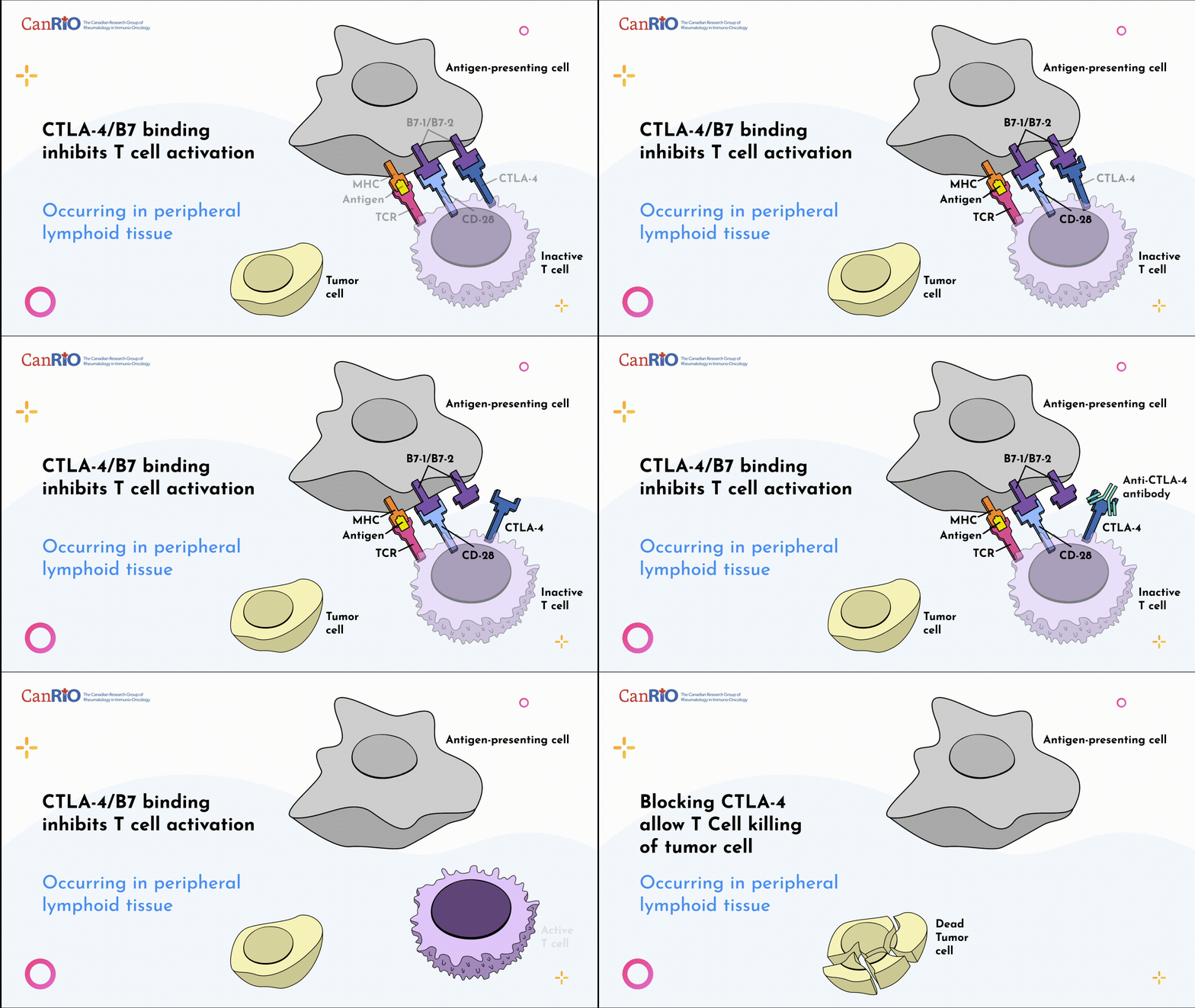
- ICI exploit defence processes of host immunity to target malignant processes. Cytotoxic T-lymphocyte-associated protein 4 (CTLA-4) and Programmed Cell Death 1 inhibitors are T-cell surface receptors that play an important role in immune surveillance. When they are engaged, they have the ability to turn off immune function. Simply speaking, ICIs block these down-regulatory signals, allowing persistent T-Cell activation, thus enhancing immune response and taking advantage of its anti-tumour properties.
What are immune-related adverse events?
- Enhancing the immune response is a double-edged sword as ICI also result in off-target, undesirable inflammatory events that have been termed as "immune related adverse events" (irAEs). In short, persistent immune activation can result in unwelcome immune responses to healthy tissues.
- The reported clinical spectrum of irAEs is broad (Table 1). These events have been described after a single dose of ICI or effects can be delayed and manifest long after treatment is completed.
- These can be transient or can require long term immunosuppression and can occur with any type of ICI.
How can we predict which patients will develop an irAE?
Whether specific patient characteristics may aid in predicting those at risk of developing irAEs remains unclear. Several hypotheses have been postulated pertaining to genetic susceptibility, immune biomarkers, properties of gut microbiome and presence of autoantibodies. However, the role of these factors as predictors of complications is ambiguous.
References
- Esfahani K, et al. A Review of Cancer Immunotherapy: From the Past, to the Present, to the Future. Curr Oncol. 2019.
- Ribas A, Wolchok JD. Cancer immunotherapy using checkpoint blockade. Science. 2018.
- Schreiber RD, et al. Cancer immunoediting: integrating immunity's roles in cancer suppression and promotion. Science. 2011.